
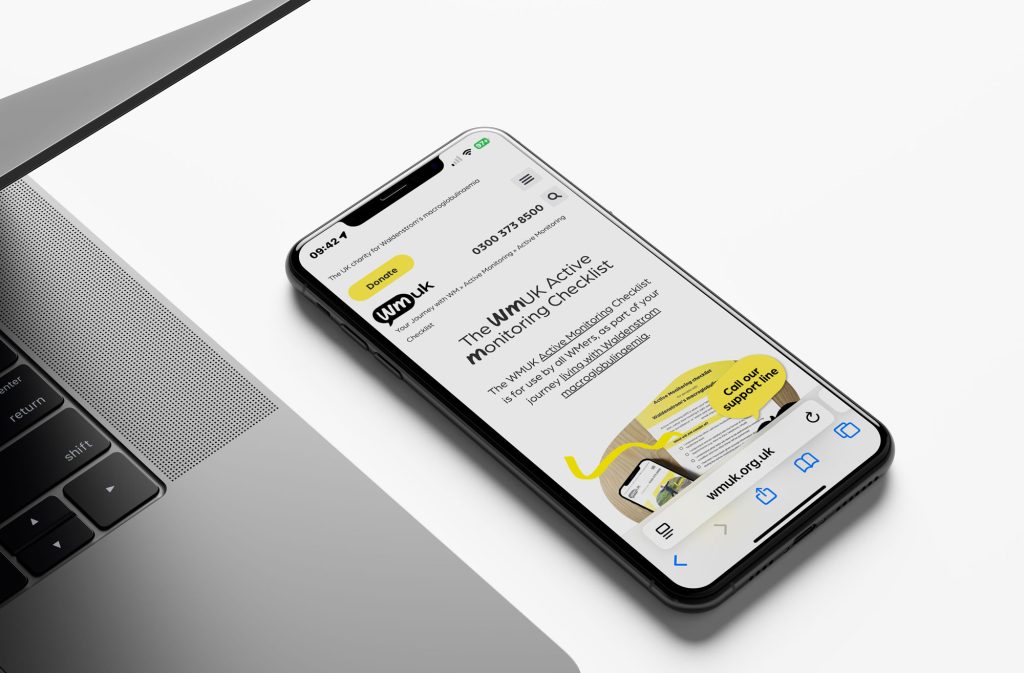
We were originally brought in for an SEO review. The website performed well for branded searches with the charity’s name, which was people who already knew the organisation, but failed to appear for the words and phrases that the people with WM were actually searching for.
The site we were looking at also had issues with mobile layouts, was difficult to update, accessibility flaws, and lacked the structural foundation search engines need to recognise the depth of WMUK’s resources.
What this meant was the people who wanted their support, were not able to find them.
Health information sits in the category search engines call “Your Money or Your Life”, along with finance, safety and wellbeing. Sites in this category must demonstrate Experience, Expertise, Authority and Trust to rank at all. There are many ways to demonstrate those qualities, and many ways to undermine them.
The audit revealed a long list of issues blocking WMUK from Google results. Worse, the site had been blacklisted by Bing, with a warning showing against it.
WMUK’s site ran on Wix, which is excellent for simple websites by design: it keeps things easy for people who want a basic site without technical skill. It is not built for the advanced SEO and functionality a large, information-led healthcare website needs. That’s not a criticism of Wix. It’s the wrong tool for this job.
Remedial work within Wix would have cost a lot and still hit the platform’s ceiling. Migrating to a more extendable CMS was the more cost-effective path, so that’s what we recommended.
Amongst other things, we worked on:
WMUK.org.uk provides medical and mental health information. Those topics fall within Google’s Your Money, Your Life (YMYL) that must meet high standards of Expertise, Experience, Authority, and Trust (EEAT) to be ranked in search results, or cited in LLMs.
High quality backlinks from other authoritative websites help with authority & trust.
Notable Websites Where We Fixed Backlinks:
What We Did:
Impact:
Better SEO Performance – Search engines recognise backlinks from trusted websites as a vote of confidence; restoring them strengthens the site’s authority.
More Referral Traffic – Visitors from respected medical and charity websites now reach a relevant page, instead of hitting errors.
Improved User Experience – Users coming from external sources can now find useful content instead of dead ends.
Narrative rebuilt the WMUK website from the ground up, built to function powerfully behind the scenes rather than just look good. We focused on accessibility, SEO and content management so the site could support WMUK’s long-term goals, with pragmatic decisions throughout to balance budget against priorities.
We made innumerable other “behind the scenes” changes including:
Some of the data passing through the site is highly sensitive. The build follows security best practice pragmatically. Nothing can ever be 100% bulletproof but multiple layers of protection can minimise risk, and we use scheduled clean-ups that regularly delete all personally identifiable data from the website.
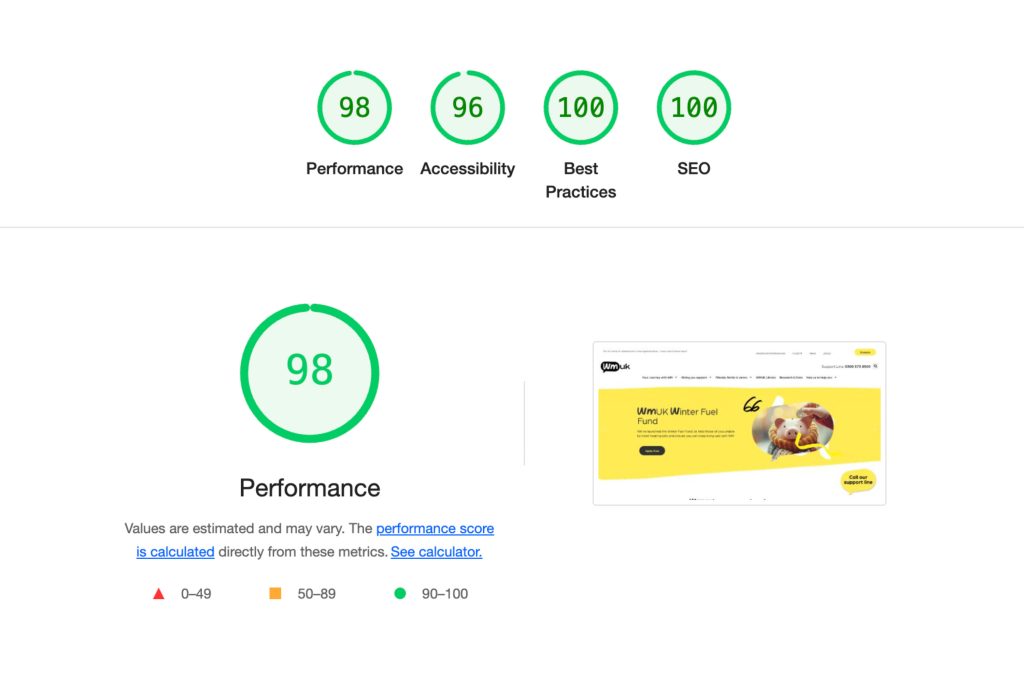
What We Did:
To be transparent, the previous site performed quite well in some of these tests but failed on accessibility in many crucial areas such as the navigation / menus, as well as areas like download size of pages and bloated HTML (DOM size.
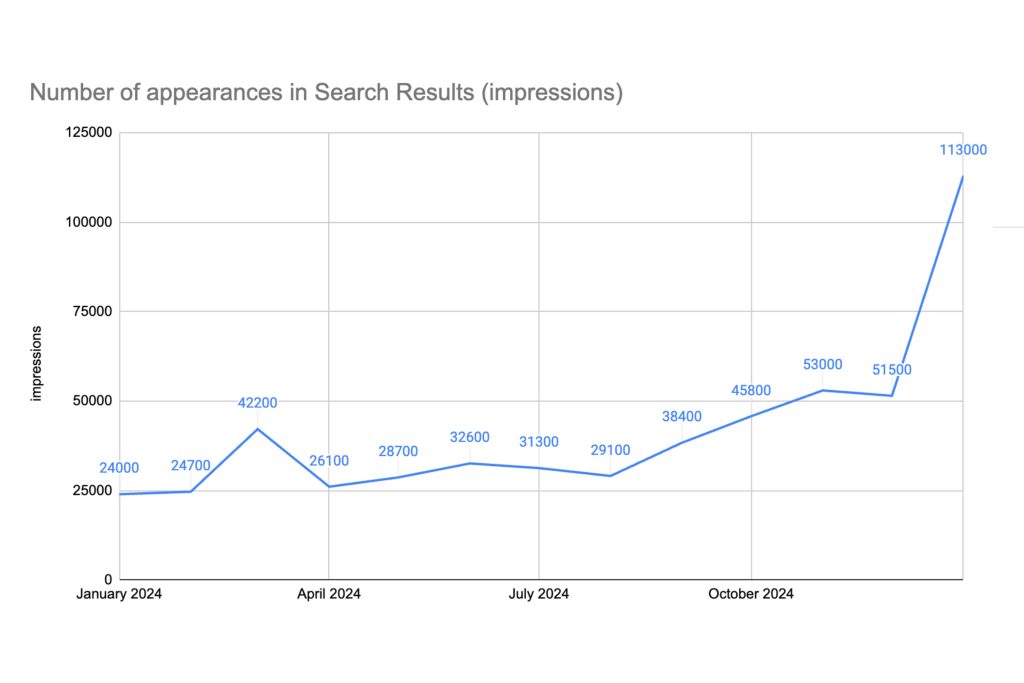
Web traffic doubled. More people now find WMUK when they search for symptoms, treatments, or even specific doctor names. Key resources, like the medical glossary, expert webinars and support information, appear in Google and Bing results, often in rich snippets and AI-generated panels. WMUK now ranks for terms it never did before.
The site began ranking for relevant search terms that it had never appeared for before, with many on the first page, and getting clicks for them.
Then the work led somewhere unexpected: WMUK’s visibility in AI search became strong enough that Narrative was asked to contribute to the Patient Information Forum’s guidance on getting healthcare content correctly represented in Google AI Overviews, and to other SEO guides the PIF produces for charities.
Our work didn’t stop at launch. We maintain the site, created content and imagery, and supported WMUK with digital planning. The projects below grew from the same foundation.